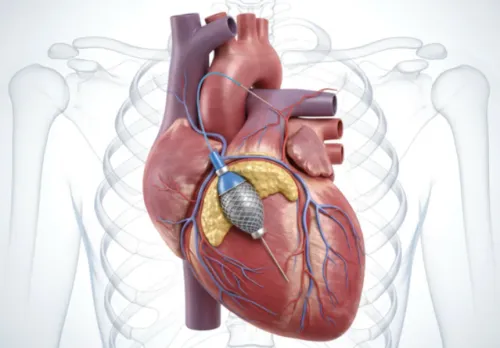

Heart symptoms are not always dramatic. Some people experience severe chest pain, while others notice breathlessness, unusual tiredness, palpitations, dizziness, or reduced exercise capacity. A timely cardiac consultation helps determine whether these symptoms are related to the heart and what evaluation may be appropriate.
People in Pune, Maharashtra, may also seek a cardiologist’s advice because of high blood pressure, diabetes, high cholesterol, obesity, smoking history, or a family history of premature heart disease. A consultation is useful even when symptoms are mild, especially when cardiovascular risk factors are present.
Symptoms That Need Medical Assessment
Consider arranging a cardiac consultation if you experience:
- Chest discomfort during activity
- Shortness of breath while walking or climbing stairs
- A racing, pounding, or irregular heartbeat
- Unexplained dizziness or fainting
- Swelling in the feet or ankles
- Persistent fatigue
- Reduced capacity for physical activity
- Blood pressure that remains high despite treatment
The purpose of the consultation is not to assume that every symptom indicates heart disease. Similar complaints may occur because of respiratory, hormonal, neurological, or other medical conditions. A cardiologist evaluates the overall pattern before recommending tests.
Sudden or severe chest pressure, sweating, breathlessness, collapse, or pain spreading to the arm, back, neck, or jaw may indicate a medical emergency. Such symptoms require immediate emergency care rather than waiting for a routine clinic appointment.
What Happens During the First Visit?
A cardiac assessment generally begins with a detailed conversation about the symptoms. The doctor may ask when they started, what brings them on, how long they last, and whether rest provides relief.
The consultation may also cover:
- Existing medical conditions
- Current medicines
- Previous hospital admissions
- Family history of heart disease
- Smoking and alcohol use
- Eating habits
- Sleep quality
- Physical activity
- Recent blood test results
Clinical examination may include measuring blood pressure and pulse, listening to the heart and lungs, and checking for swelling or signs of circulation problems.
Tests Are Selected According to the Patient
Not every person needs an extensive cardiac test package. Investigations should be chosen according to symptoms, examination findings, age, medical history, and cardiovascular risk.
An ECG may be advised to assess the heart’s electrical activity. Echocardiography can provide information about heart structure, pumping function, and valves. A TMT stress test may be considered when the cardiologist needs to observe the heart during controlled exercise.
Patients with intermittent palpitations may require Holter monitoring, while those with variable blood pressure readings may benefit from ambulatory BP monitoring. Coronary angiography is an invasive investigation and is recommended only when there is a suitable clinical reason.
Preparing for the Consultation
Bringing accurate information helps make the appointment more productive. Patients can carry:
- Previous ECG, echo, angiography, or hospital reports
- Recent blood investigations
- A list of medicines with their dosages
- Home blood pressure or glucose records
- Details of allergies
- Notes describing when symptoms occur
It is generally unhelpful to stop prescribed medicines before the appointment unless a doctor has specifically instructed you to do so.
Heart Beat Super Speciality Clinic provides cardiology consultation for patients from Pune and surrounding areas such as Baner, Wakad, Pashan, and Hinjewadi. The assessment can help patients understand whether monitoring, lifestyle changes, medicines, diagnostic testing, or further intervention should be considered.
A cardiac consultation is ultimately a decision-making visit. Its value lies in connecting symptoms, risk factors, clinical findings, and appropriate investigations into a clear plan. Early evaluation may identify manageable risk factors, while a reassuring assessment can prevent unnecessary worry and testing.
Keywords