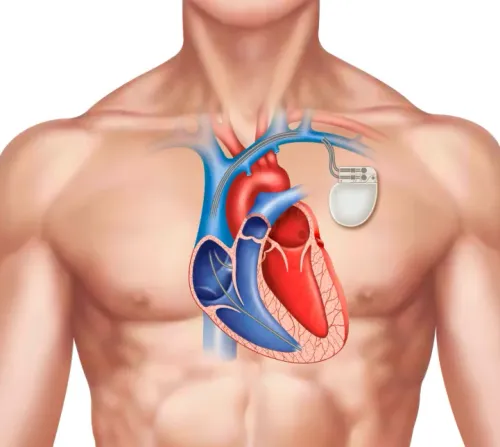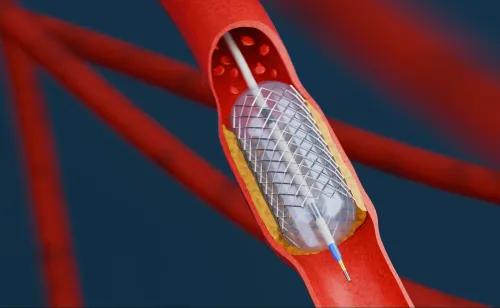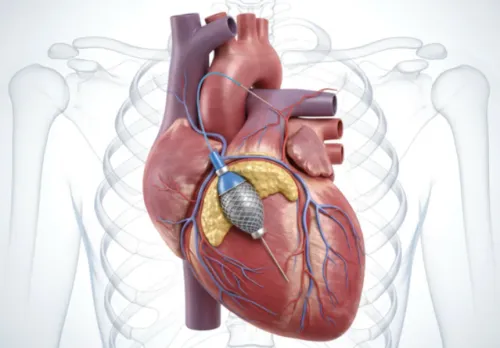
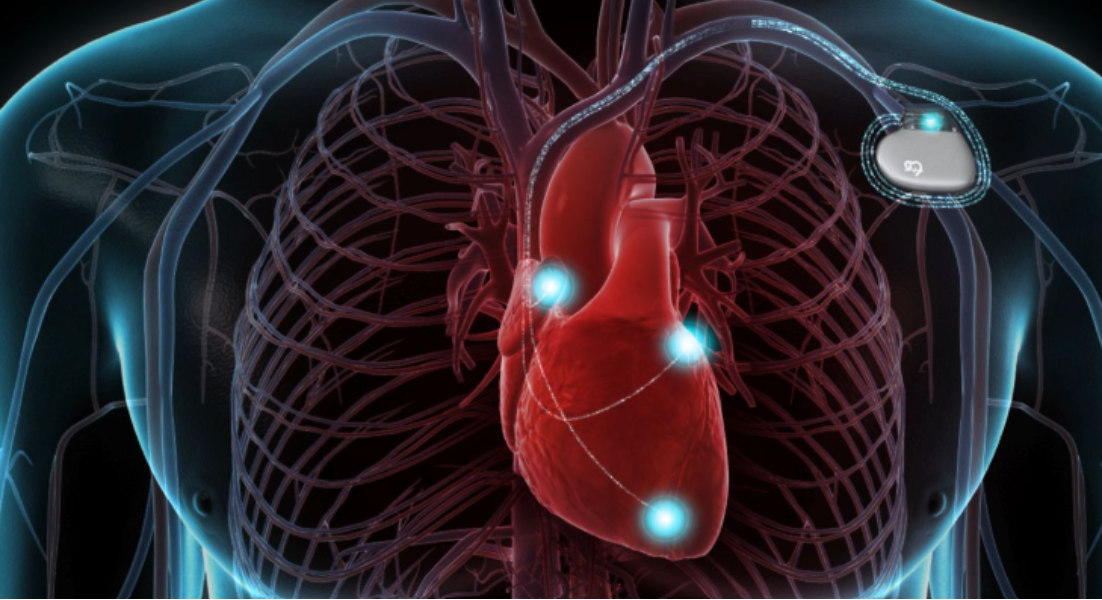
An implantable cardioverter-defibrillator monitors the heart rhythm continuously and can deliver treatment when it detects certain dangerous ventricular rhythms. ICD implantation may be recommended for people who have survived a life-threatening arrhythmia or who have a sufficiently high risk of sudden cardiac arrest because of an underlying heart condition.
An ICD is not simply a more powerful pacemaker. Although many ICDs can provide pacing support, their defining function is recognising and treating potentially fatal fast rhythms.
When Is an ICD Considered?
A cardiologist or heart-rhythm specialist may evaluate ICD treatment for patients with:
- Previous cardiac arrest caused by ventricular arrhythmia
- Sustained ventricular tachycardia
- Significantly reduced heart-pumping function despite appropriate therapy
- Certain inherited electrical disorders
- Selected cardiomyopathies associated with dangerous rhythms
- Other clearly defined high-risk cardiac conditions
Eligibility is individual. Ejection fraction can be important, but device decisions should not be made from one number alone. The cause of heart dysfunction, duration of treatment, rhythm history, symptoms, expected benefit, and overall health must be considered.
Questions to Ask the Implanting Team
Before choosing a provider, patients should receive clear answers to practical and clinical questions:
- Why is an ICD recommended for this particular diagnosis?
- Is the purpose primary or secondary prevention?
- What type of device is being considered?
- Could cardiac resynchronisation therapy be relevant?
- What are the infection and lead-related risks?
- How will the device be checked after implantation?
- What should the patient do if a shock occurs?
- Who provides urgent device support?
A good consent discussion also covers inappropriate shocks, battery replacement, activity restrictions, driving guidance, and end-of-life device decisions.
Implantation and Initial Recovery
The generator is generally placed beneath the skin in the upper chest, with one or more leads positioned through a vein. The device is programmed according to the rhythm problem and treatment goals.
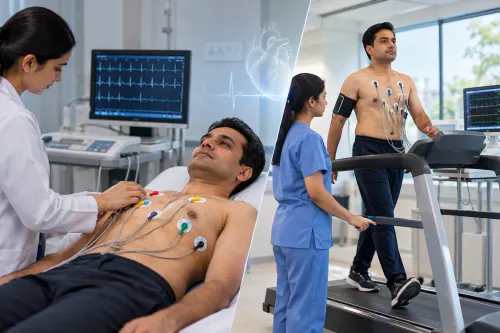
Afterward, the wound is monitored, and the device is checked. Patients receive instructions about incision care, arm movement, medicines, follow-up, and symptoms that require attention.
Fever, wound discharge, increasing redness, swelling, severe pain, fainting, or repeated shocks should prompt urgent medical contact. A shock accompanied by ongoing chest pain, breathlessness, collapse, or persistent illness requires emergency evaluation.
Follow-Up Is Part of the Treatment
ICD care continues long after implantation. Scheduled checks assess:
- Battery status
- Lead performance
- Stored rhythm episodes
- Treatments delivered
- Pacemaker functions
- Programming suitability
Some devices support remote monitoring, but this does not replace every in-person review. Patients should keep their contact information updated and understand how alerts will be managed.
Daily Life With an ICD
Most patients can gradually return to many everyday activities after recovery. Individual restrictions depend on the underlying heart condition, implantation progress, and whether shocks have occurred.
The device identification card should be carried at all times. Healthcare professionals must be told about the ICD before scans, surgery, or electrical treatments. Advice is also needed for strong magnetic fields and certain industrial equipment.
Heart Beat Super Speciality Clinic provides cardiac assessment and follow-up guidance for individuals considering ICD implantation in Shivajinagar, Pune, and surrounding Maharashtra communities. Patients should select care that combines appropriate clinical assessment, an experienced implantation pathway, transparent counselling, and reliable device follow-up.
The right provider does more than implant the device. It helps the patient understand why it is needed, how it responds to abnormal rhythms, and what support is available throughout the life of the ICD.
Keywords