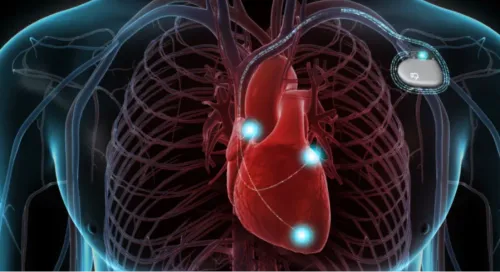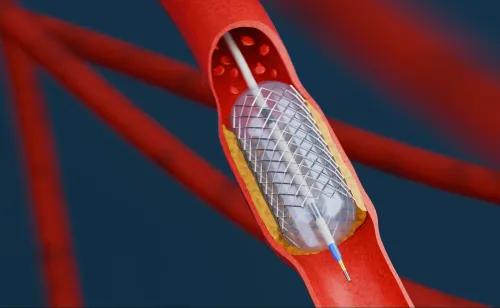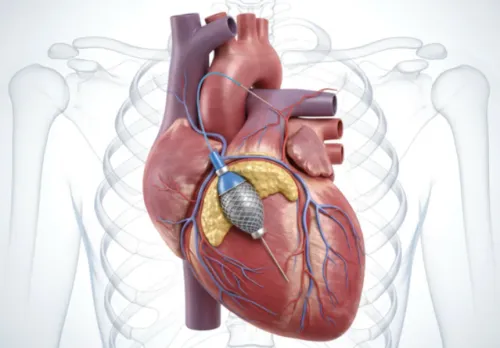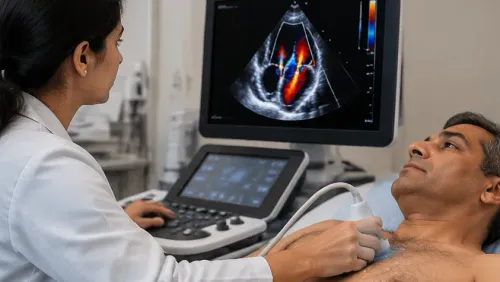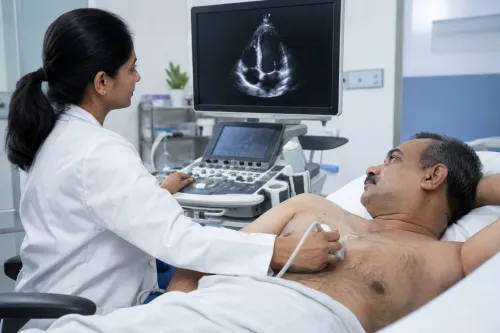
A pacemaker is a small implanted device that helps manage certain slow or unreliable heart rhythms. It sends electrical impulses when the heart’s natural rhythm becomes too slow or fails to conduct signals appropriately.
Pacemaker implantation may be considered when a rhythm problem causes dizziness, fatigue, breathlessness, fainting, confusion, reduced activity tolerance, or other clinically important symptoms. The recommendation is based on the type of electrical disturbance and its relationship to the patient’s condition.
Why Might a Pacemaker Be Needed?
The heart has its own electrical system. Signals normally begin in the sinus node and travel through specialised pathways, coordinating contraction of the upper and lower chambers.
A pacemaker may be recommended for conditions such as:
- Symptomatic bradycardia
- Certain forms of heart block
- Sinus-node dysfunction
- Long pauses in the heartbeat
- Selected rhythm problems requiring medicines that slow the heart
- Particular forms of heart failure requiring specialised pacing
Not every low pulse reading requires a pacemaker. Athletes and some healthy people naturally have slower resting heart rates. The decision depends on symptoms, ECG findings, rhythm monitoring, reversible causes, and the specific diagnosis.
How Is the Device Implanted?
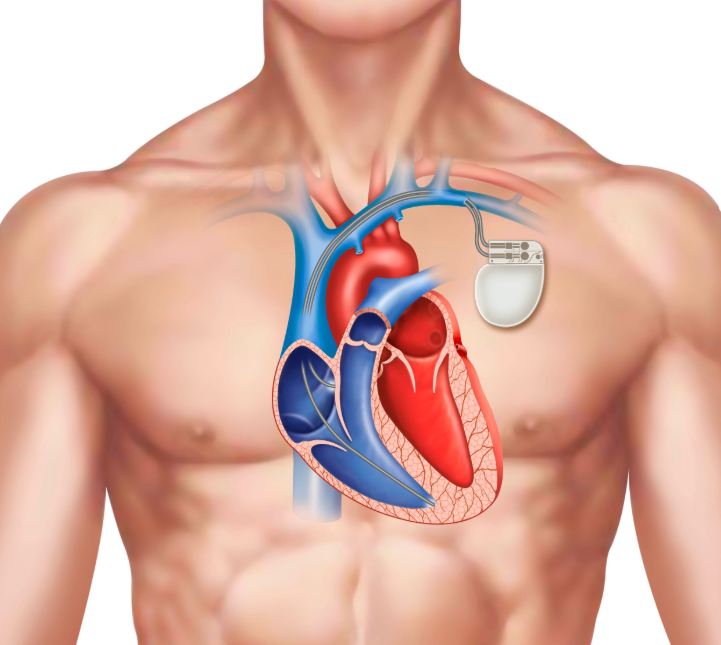
The pacemaker generator is usually positioned beneath the skin in the upper chest. One or more leads are passed through a vein and placed within the heart. These leads sense the natural rhythm and deliver impulses when required.
Device programming is selected according to the patient’s rhythm and pacing needs. The procedure involves monitoring and sterile precautions, followed by observation and device checks.
Patients should receive an explanation of expected benefits, procedural risks, device type, wound care, and follow-up before providing consent.
Preparing for Implantation
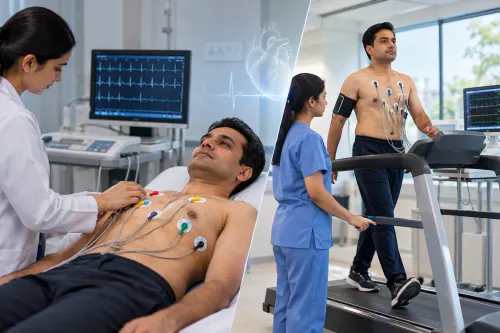
The cardiology team may request blood tests, an ECG, echocardiography, rhythm-monitoring reports, and a review of medicines.
Patients should inform the team about:
- Blood thinners
- Diabetes
- Kidney disease
- Previous infections
- Fever or skin infection near the proposed site
- Drug allergies
- Previous cardiac devices
- Other planned medical procedures
Fasting and medication instructions vary. They should come directly from the treating team.
Recovery at Home
The incision and device pocket require time to heal. Patients may receive temporary restrictions on heavy lifting and particular shoulder movements on the implantation side. These restrictions should be followed without keeping the arm completely immobile unless specifically instructed.
The wound should be observed for:
- Increasing redness
- Warmth or swelling
- Discharge
- Persistent bleeding
- Fever
- Worsening pain
- Opening of the incision
Such changes require prompt medical review. Dizziness, fainting, persistent hiccups, unusual breathlessness, or a very slow pulse should also be reported.
Living With a Pacemaker
Modern pacemakers are designed to support ordinary daily life, but routine checks are essential. Follow-up appointments assess the battery, leads, stored rhythm information, and programming.
Patients should carry their device identification card and inform healthcare professionals before medical procedures. Most household appliances can be used normally when manufacturer and medical guidance is followed. Specific advice may be needed for strong magnets, industrial electrical equipment, security systems, and MRI examinations.
Heart Beat Super Speciality Clinic offers consultation for patients considering or living with pacemaker implantation in Pimple Saudagar, PCMC, Pune, and surrounding areas. Provider selection should include access to rhythm assessment, appropriate implantation planning, device programming, wound review, and long-term follow-up.
A pacemaker can address a defined electrical problem, but it does not treat every form of heart disease. Continued management of blood pressure, coronary disease, valve problems, or heart failure may still be required.
Keywords