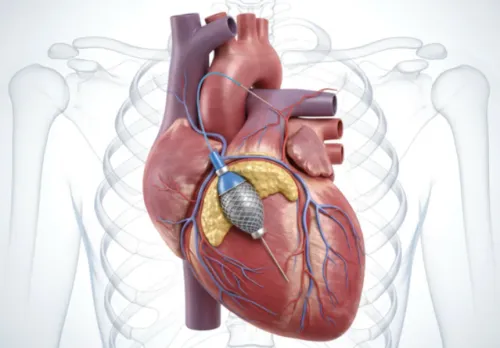
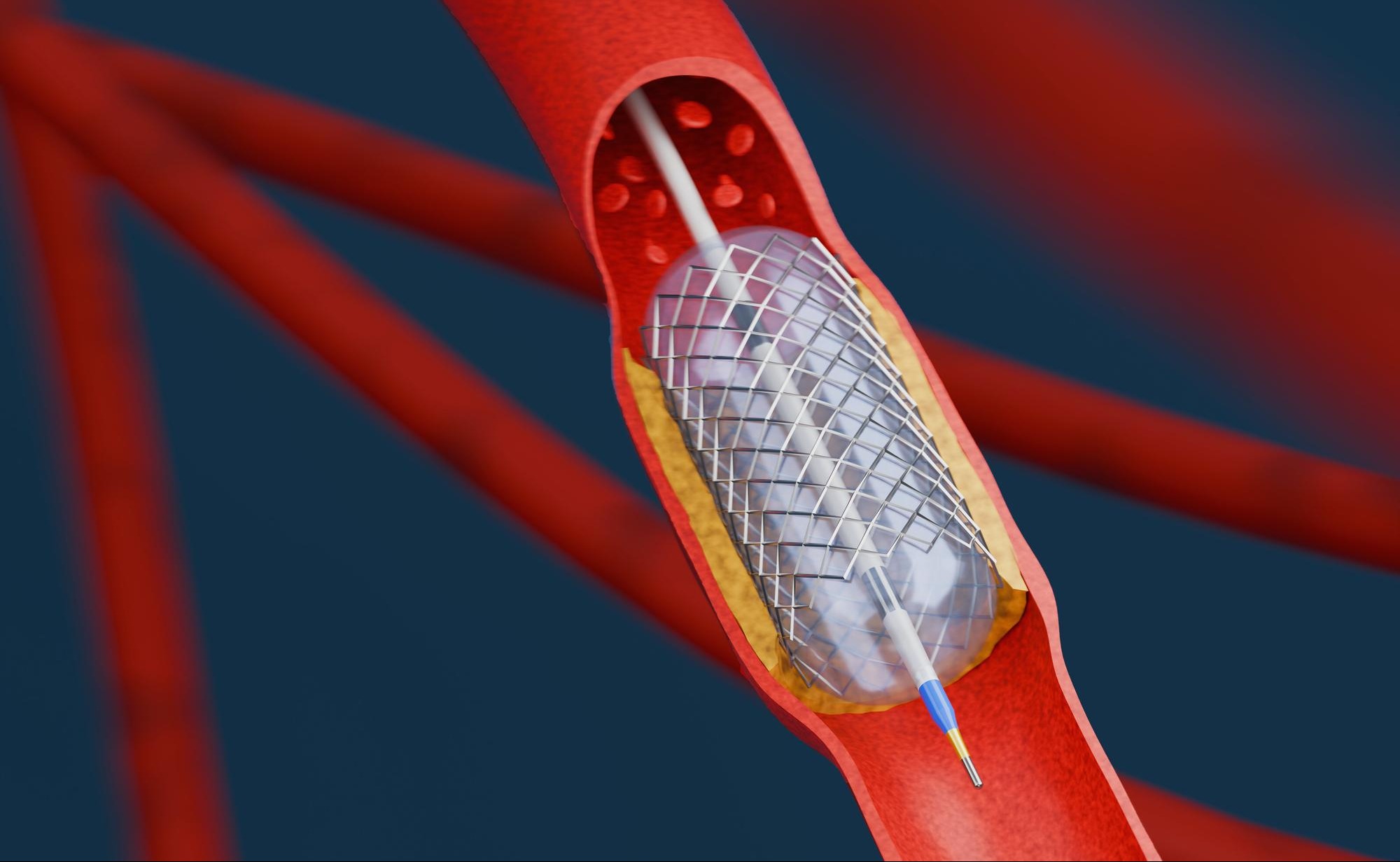
Coronary angioplasty is used to improve blood flow through a narrowed or blocked coronary artery. The procedure is also called percutaneous coronary intervention, or PCI. A small balloon is positioned at the narrowed segment and inflated, and a stent is frequently placed to help keep the artery open.
Angioplasty can be performed urgently during a heart attack or as a planned procedure for selected patients with coronary artery disease. The preparation and recovery process varies according to the reason for treatment, the complexity of the blockage, and the person’s general health.
Before a Planned Angioplasty
The cardiology team reviews the patient’s symptoms, angiography findings, medical conditions, and medicines. Blood investigations may be required to assess haemoglobin, clotting, kidney function, blood sugar, and other relevant factors.
Patients should provide complete information about:
- Blood-thinning medicines
- Diabetes treatment
- Kidney disease
- Previous bleeding
- Drug or contrast reactions
- Earlier angioplasty or bypass surgery
- Other recent operations
- All prescription and non-prescription medicines
Instructions about fasting and medicines should be followed exactly. Patients should not independently stop antiplatelet medicines, anticoagulants, or blood pressure tablets.
What Happens During the Procedure?
A catheter is introduced through an artery in the wrist or groin and guided to the coronary circulation. A fine wire crosses the narrowed area. A balloon catheter is then used to widen the artery, and a stent may be deployed.
Angioplasty and stenting are components of PCI, as noted in the NHS patient overview of the procedure.
Some blockages are more complex than others. The duration and techniques used therefore vary. The interventional cardiologist determines whether the anatomy is suitable for PCI and which strategy is appropriate.
Why Medicines Remain Important After a Stent
A stent treats a specific narrowed segment, but it does not eliminate the underlying tendency to develop atherosclerosis. Ongoing management remains essential.
Patients are commonly prescribed antiplatelet medicines to reduce the risk of a clot forming inside the stent. Missing or stopping these medicines without medical advice can be dangerous.
Long-term care may also include:
- Cholesterol-lowering medication
- Blood pressure control
- Diabetes management
- Smoking cessation
- Gradual return to physical activity
- Dietary changes
- Cardiac rehabilitation
- Regular follow-up
The exact medicine combination and duration must be decided by the treating cardiologist.
What to Expect During Recovery
After angioplasty, the access site is observed for bleeding or swelling. Activity restrictions depend partly on whether the wrist or groin was used.
Patients should keep the site clean and follow discharge instructions about bathing, lifting, driving, work, and exercise. Mild bruising may occur, but expanding swelling, persistent bleeding, increasing pain, or changes in colour or sensation in the limb require urgent medical advice.
New or recurring chest discomfort should not be ignored. Severe chest pressure, breathlessness, sweating, or collapse requires emergency care.
Building a Sustainable Recovery Plan
A successful recovery is not measured only by the absence of pain. Patients should understand their medicines, risk-factor targets, follow-up schedule, and safe level of activity.
Before leaving care, ask:
- Which medicines must not be missed?
- When should follow-up occur?
- When can normal work and exercise resume?
- Is cardiac rehabilitation recommended?
- What symptoms require emergency attention?
- How will cholesterol, blood pressure, and diabetes be monitored?
Heart Beat Super Speciality Clinic supports cardiac evaluation and follow-up for patients from Kothrud, Pune, and nearby parts of Maharashtra. Patients considering angioplasty should receive an individual explanation of the expected benefit, possible alternatives, procedural risks, and recovery responsibilities.
The stent is one part of treatment. Consistent medication use and long-term control of cardiovascular risks are equally important for protecting heart health.
Keywords