An ECG test records the electrical signals that coordinate each heartbeat. It is a quick, non-invasive investigation frequently used when a person reports chest discomfort, palpitations, dizziness, fainting, breathlessness, or unexplained weakness.
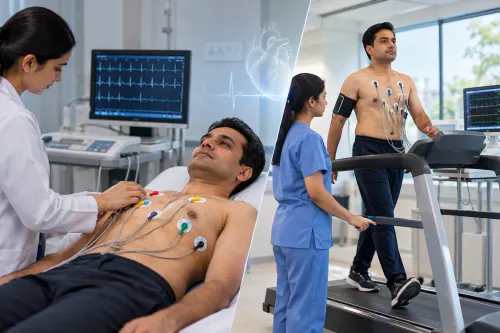
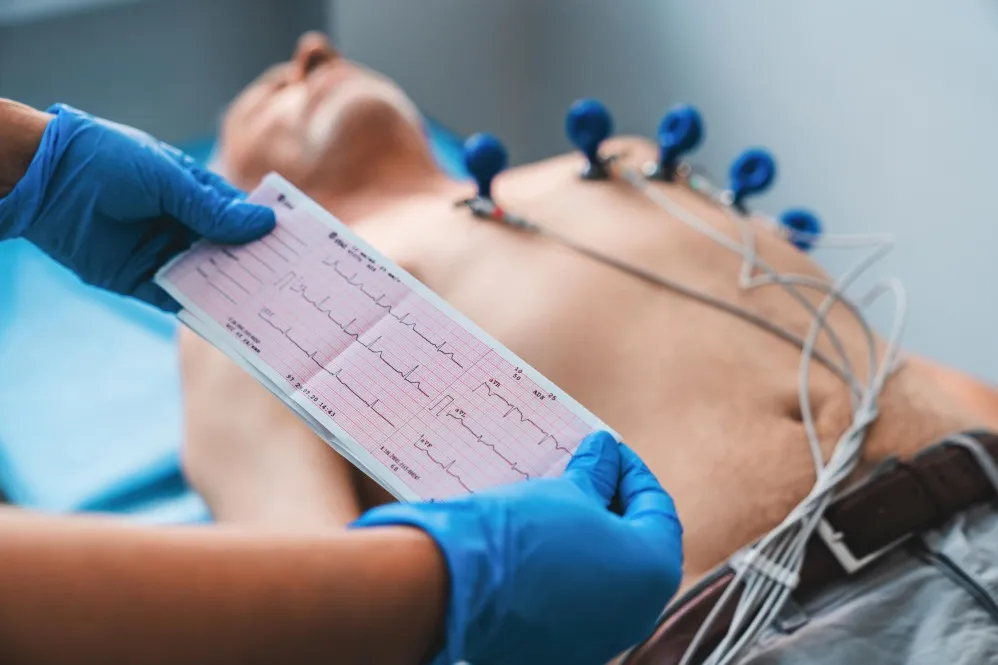
Also called an electrocardiogram, the test provides a short recording of the heart at the time it is performed. It does not deliver electricity into the body. Small adhesive electrodes placed on the chest and limbs detect electrical activity and transfer it to the ECG machine.
What Information Does an ECG Provide?
An ECG shows the rate and rhythm of the heartbeat. It can help a doctor identify patterns associated with:
- A heartbeat that is unusually fast or slow
- An irregular heart rhythm
- Disturbances in electrical conduction
- Possible evidence of a current or previous heart attack
- Strain on particular heart chambers
- Changes related to certain medicines or electrolyte problems
An ECG result should be interpreted alongside symptoms, medical history, examination findings, and other investigations. A normal ECG does not automatically exclude every heart condition because some abnormalities occur intermittently or may not affect a resting recording.
When Is the Test Commonly Recommended?
A cardiologist may recommend an ECG when evaluating chest pain or discomfort, particularly if symptoms occur with exertion. It is also commonly considered for people who feel skipped beats, fluttering, pounding, or sudden episodes of rapid heartbeat.
Other reasons can include:
- Unexplained fainting or near-fainting
- Persistent high blood pressure
- Suspected rhythm disorders
- Breathlessness with activity
- Monitoring an existing heart condition
- Assessment before certain procedures
- Checking the effect of selected cardiac medicines
People with diabetes, high cholesterol, obesity, or a strong family history may require an ECG as one part of a broader cardiovascular evaluation. The test should not be treated as a complete heart screening tool by itself.
What Happens During the Procedure?
The patient usually lies still while electrodes are attached to specific areas of the chest, arms, and legs. The skin may need to be cleaned, and excess hair may occasionally be trimmed so the electrodes make proper contact.
The recording generally takes only a few minutes. Remaining relaxed and avoiding movement helps reduce interference on the tracing. The procedure does not involve injections, radiation, or recovery time.
Loose, comfortable clothing can make preparation easier. Patients can usually eat normally and take their regular medicines unless their healthcare provider gives different instructions.
ECG Compared With Longer Rhythm Monitoring
A standard ECG captures a brief period of heart activity. This makes it useful when an abnormal rhythm is present during the recording, but symptoms that come and go may not appear.
When palpitations, dizziness, or fainting episodes are intermittent, a cardiologist may suggest a Holter monitor. This portable device records the heart rhythm continuously during normal daily activities, commonly for 24 hours or longer. The distinction is important: an ECG offers a snapshot, while a Holter monitor provides an extended recording.
What Should Happen After the Test?
The result needs clinical interpretation. Patients should ask what the tracing shows, whether the finding explains their symptoms, and whether another investigation is necessary.
At Heart Beat Super Speciality Clinic, an ECG test can be evaluated within the broader cardiac history of patients from Baner and other parts of Pune, Maharashtra. Depending on the findings, the next step may involve observation, medication review, echocardiography, exercise testing, or extended rhythm monitoring.
An ECG is simple, but the decisions made from it require context. Its greatest value comes from using the tracing to answer a specific clinical question rather than viewing it as an isolated report.
Keywords